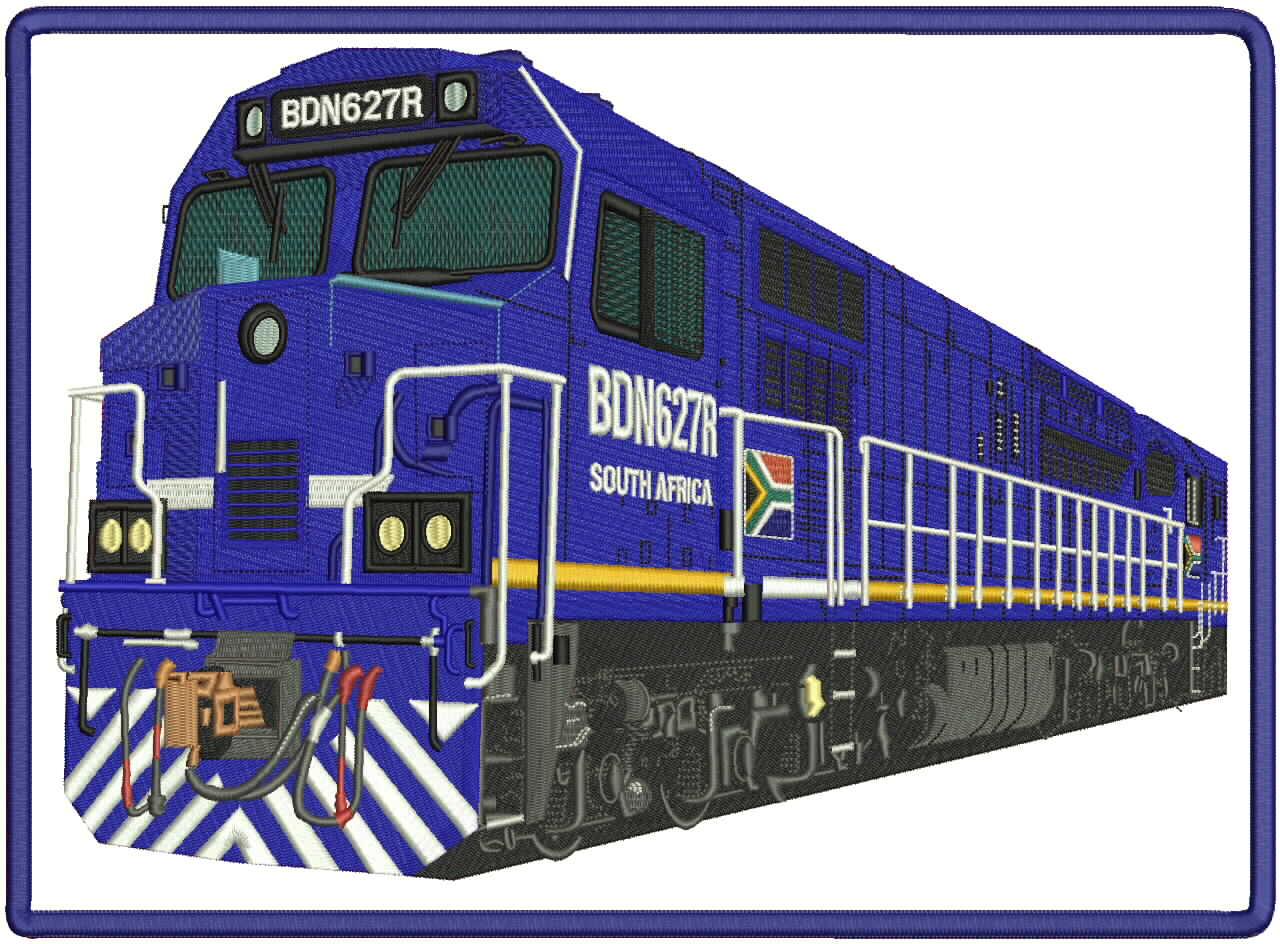
Tag: Embroidery File Formats

  • What Is Embroidery Digitizing? A Complete Guide for Canadian Businesses

    What Is Embroidery Digitizing? A Complete Guide for Canadian Businesses

    Custom embroidery has become one of the most popular ways for Canadian businesses to brand uniforms, merchandise, and promotional apparel. But before any logo can be stitched onto a garment, it has to go through a technical process called embroidery digitizing.

    If you’re a business owner in Toronto, Vancouver, Montreal, or Calgary looking to order custom-embroidered apparel, understanding digitizing will help you make smarter decisions and avoid costly mistakes. This guide breaks down what embroidery digitizing is, how it works, and why choosing the right embroidery digitizing services in Canada matters for your brand.

    What Is Embroidery Digitizing?

    Embroidery digitizing is the process of converting artwork such as a logo, image, or text into a digital stitch file that an embroidery machine can read and execute.

    Unlike regular printing, embroidery machines don’t understand image formats like JPEG or PNG. They need a specialized file format (such as DST, PES, or EXP) that contains precise instructions: stitch direction, stitch type, density, sequence, and thread color changes.

    A skilled digitizer manually maps out these instructions using specialized software, essentially “teaching” the machine how to recreate your design with thread.

    Why Digitizing Isn’t Just “Automatic Conversion”

    Many business owners assume software can automatically convert any image into a stitch file. In reality, digitizing requires human expertise.

    A digitizer must consider:

    • Fabric type (cotton, polyester, denim, fleece, leather)
    • Design complexity and small details
    • Stitch types (satin, fill, running stitch)
    • Thread density to avoid puckering or thread breaks
    • Garment placement (cap, polo, jacket, bag)

    Poor digitizing often leads to distorted logos, thread bunching, fabric puckering, or machines jamming mid-production  issues that cost businesses time and money.

    How Embroidery Digitizing Works: Step-by-Step

    1. Artwork Submission

    The process starts with a business submitting their logo or design, ideally in vector format (AI, EPS, PDF) or high-resolution image.

    1. Digitizing in Specialized Software

    Using programs like Wilcom or Hatch, digitizers trace the design and assign stitch paths, stitch types, and thread colors.

    1. Creating a Test Stitch-Out

    A physical sample is stitched on fabric similar to the final product to check for accuracy, spacing, and quality.

    1. Adjustments and Finalization

    Based on the test stitch, adjustments are made to stitch density, size, or sequencing before final approval.

    1. Production-Ready File Delivery

    Once approved, the final digitized file is used for bulk production on embroidery machines.

    Why Canadian Businesses Need Professional Embroidery Digitizing Services

    Whether you run a corporate office in Toronto, a hospitality brand in Vancouver, a fashion label in Montreal, or a sports team in Calgary, professional digitizing ensures your brand looks sharp and consistent across every garment.

    Key Benefits

    • Brand Consistency: Logos maintain accurate colors, proportions, and detail across uniforms, caps, and merchandise.
    • Reduced Production Errors: Fewer thread breaks, machine jams, and reruns save time and material costs.
    • Professional Finish: Clean, well-digitized designs look sharp on any fabric type.
    • Scalability: High-quality digitized files can be reused for future bulk orders without redoing the work.

    For growing businesses ordering uniforms, promotional items, or retail apparel, this consistency directly affects brand perception.

    Embroidery Digitizing Services Across Major Canadian Cities

    While the digitizing process itself is the same everywhere, local business needs can vary slightly.

    Embroidery Digitizing Services in Toronto

    Toronto’s diverse business landscape from corporate offices to retail brands often requires digitizing for polos, blazers, and branded workwear with clean, professional finishes.

    Embroidery Digitizing Services in Vancouver

    Vancouver businesses, especially in outdoor apparel, hospitality, and tech, often need digitizing optimized for performance fabrics like fleece and technical wear.

    Embroidery Digitizing Services in Montreal

    Montreal’s fashion-forward market frequently requires detailed digitizing for boutique apparel, textured fabrics, and bilingual branding elements.

    Embroidery Digitizing Services in Calgary

    Calgary’s strong presence in trades, energy, and sports industries often calls for durable digitizing suited to jackets, caps, and heavy-duty workwear.

    Because digitizing files can be delivered digitally, Canadian businesses aren’t limited to local providers they can work with specialized embroidery digitizing services in Canada regardless of city.

    Common Mistakes to Avoid When Ordering Digitized Designs

    • Submitting low-resolution images instead of vector files
    • Skipping the test stitch-out step
    • Choosing the cheapest option without checking sample work
    • Ignoring fabric type when requesting digitizing
    • Reusing a digitized file across drastically different garment types without adjustment

    Key Takeaways

    • Embroidery digitizing converts artwork into a machine-readable stitch file.
    • It requires manual expertise, not just automated software conversion.
    • Quality digitizing prevents production errors and ensures brand consistency.
    • Canadian businesses in Toronto, Vancouver, Montreal, and Calgary can access digitizing services remotely, since files are delivered digitally.
    • Always request a test stitch-out before bulk production.

    Frequently Asked Questions

    1. How long does embroidery digitizing take?
      Most digitizing projects take 24–48 hours, depending on design complexity and revisions needed.
    2. What file formats are used for embroidery digitizing?
      Common formats include DST, PES, EXP, and JEF, depending on the embroidery machine brand.
    3. Can any image be digitized for embroidery?
      Most images can be digitized, but vector files or high-resolution artwork produce the most accurate results.
    4. Is embroidery digitizing expensive?
      Pricing varies based on design complexity, stitch count, and size, but it’s typically a one-time cost that can be reused for future orders.
    5. Do I need different digitized files for different fabrics?
      Sometimes. Fabrics like leather or fleece may require stitch density adjustments compared to cotton or polyester.
    6. Can embroidery digitizing services in Canada work with businesses remotely?
      Yes. Since digitized files are delivered electronically, businesses in any city can work with providers regardless of physical location.
    7. What’s the difference between digitizing and vector art for printing?
      Digitizing creates stitch instructions for embroidery machines, while vector art is used for printing methods like screen printing they are not interchangeable.

     

  • Embroidery Digitizing in Vancouver, BC: Why Softshell, Fleece & Gore Tex Need Different Digitizing Than a Cotton Polo

    Embroidery Digitizing in Vancouver, BC: Why Softshell, Fleece & Gore Tex Need Different Digitizing Than a Cotton Polo

    Vancouver, BC has an unusual concentration of two industries that both order a lot of custom embroidery: outdoor apparel and tech. A tech company in Yaletown wants 150 quarter zips digitized for a product launch. An outdoor gear brand near Mount Pleasant wants its logo embroidered onto a technical softshell jacket. A ski or snowboard club out of North Vancouver wants toques and fleece beanies stitched before the season starts.

    All three are about to run into the same problem, and almost no embroidery digitizing service in Vancouver warns them about it upfront. A stitch file that looks flawless on a cotton polo can look genuinely bad on technical fabric. It can end up puckered, sunken into the material, or visibly distorted, even when the logo design itself never changed.

    This is not a pricing problem or a turnaround time problem. It is a fabric specific digitizing problem, and it shows up constantly on the performance apparel, sportswear, and outdoor gear ordered across Metro Vancouver, from downtown Vancouver and Burnaby to Richmond, Surrey, and the North Shore.

    Why Fabric Type Changes How Machine Embroidery Behaves

    Every digitized stitch file is built around a set of assumptions. Stitch density, underlay stitching, and pull compensation are all calibrated for a specific fabric. Cotton and polyester twill hold a stitch well because the material has structure and resistance. Technical fabrics common in the outdoor and athletic brands based across Vancouver and the Lower Mainland behave in completely different ways:

    • Softshell and fleece embroidery: These fabrics have loft. The material has depth, not just a flat surface. A stitch density calibrated for a flat cotton polo will sink into fleece, and fine detail like small text or thin outlines disappears into the pile instead of sitting cleanly on top.
    • Gore Tex and waterproof shell embroidery: These shells are often thinner and more slippery than woven cotton. Without enough underlay stitching to stabilize the fabric first, the design can shift mid stitch, producing a visibly distorted or walking logo.
    • Moisture wicking and performance polyester embroidery: Common in athletic wear and corporate activewear, this fabric stretches more than cotton. A file digitized without stretch compensation will look perfectly fine sitting flat on the embroidery machine bed, then visibly warp once the garment is worn and the fabric relaxes around the body.

    None of this is visible by looking at a digital stitch file on a screen. It only becomes obvious once the needle actually hits the fabric. This is exactly why asking a digitizer if they have worked with your specific fabric before is a far more useful question to ask than just checking their prices.

    One Logo, Three Fabrics, Three Different Results

    Picture a single company logo. Imagine a fairly typical circular badge with a small amount of text sent to a digitizer with no fabric information provided at all:

    • Cotton polo: Stitches out cleanly. Text is legible, edges are crisp, exactly as expected.
    • Fleece quarter zip, identical file: The small text disappears into the pile. The edge of the circle looks fuzzy instead of clean because the stitch density tuned for cotton is not dense enough to sit above the loft of the fleece.
    • Structured cap, identical file: The badge looks slightly warped because caps are digitized on a curved frame, and a file built for a flat garment does not account for that curve. This is a completely separate technical adjustment from the fleece problem.

    It is the same design file with three different outcomes. The fix in every case is not redesigning the logo. You need to redigitize the stitch file for each specific fabric and garment surface, a step that a lot of low cost, high volume digitizing services skip or simply do not offer.

    Serving Vancouver and the Lower Mainland

    Because embroidery digitizing is delivered as a digital file rather than an in person service, businesses across the wider region rely on the same fabric specific process regardless of which municipality they are in, including:

    • Vancouver (Downtown, Mount Pleasant, Kitsilano, Yaletown): Tech companies, breweries, and outdoor retailers ordering branded softshell and fleece.
    • Burnaby: Corporate offices and sportswear brands ordering polos, quarter zips, and caps.
    • Richmond, BC: Logistics, import export, and hospitality businesses ordering uniform programs.
    • Surrey: Schools, sports clubs, and trade businesses ordering team and safety wear embroidery.
    • North Vancouver and West Vancouver: Ski clubs, outdoor guiding companies, and marine businesses ordering technical apparel and fleece.
    • Coquitlam and the Tri Cities: Construction and trade companies ordering branded workwear.

    Wherever the order originates in Metro Vancouver, the same rule applies. The fabric and garment type should be specified before a design is digitized, not discovered after the first stitch out.

    Questions to Ask Before Ordering Embroidery for Technical or Outdoor Apparel

    • Will this design be digitized once, or separately for each fabric or garment type I am ordering?
    • Reusing one file across a polo order and a fleece order is a warning sign, not a convenience.
    • Do you add extra underlay stitching for loft fabrics like fleece or softshell?
    • This is the specific adjustment that prevents a logo from sinking into the material.
    • How do you handle curved surfaces like structured caps compared to flat garments?
    • These should never share the same digitized file.
    • Can I see an actual stitch out sample on the fabric I am ordering?
    • You want to see this rather than a photo of the design on a generic flat polo.
    • Do you offer 3D puff embroidery for caps or beanies, and does that change the underlying digitizing?
    • Puff embroidery uses foam underneath the stitching and requires its own density and outline adjustments, distinct from standard flat digitizing.

    Matching Thread Color to Your Actual Brand Palette

    A detail that trips up a lot of Vancouver tech companies specifically is color matching. Brand style guides are usually built around Pantone or RGB and hex values designed for screens, not for thread. Embroidery thread comes in a fixed set of manufacturer colors, and there is no thread that matches every Pantone value exactly.

    A competent digitizing service will provide a closest match thread color reference before production starts, not after. If your brand signature green or blue is a very specific shade, you should see the matched thread swatch card before a single stitch is sewn so you do not discover a mismatch on the finished, unreturnable garment.

    Trade Show Season and Launch Timing in Vancouver

    Vancouver calendar of tech conferences, outdoor industry trade shows, and ski and snowboard season prep means a large share of embroidery orders across the region have strict deadlines. There is a booth date or a product launch date that simply cannot move. If you are ordering branded apparel against a fixed deadline anywhere in Metro Vancouver:

    • Get rush digitizing turnaround confirmed in writing, not just described as usually fast.
    • Order one physical sample, stitched on your actual fabric, at least a week before the full production run. This is the only reliable way to catch a fabric specific issue before it is sewn into 200 units.
    • Ask explicitly what happens if that sample reveals a problem. Is redigitizing included in the original price, or does it reset the clock on both turnaround time and cost?

    Corporate Branded Apparel Across Metro Vancouver

    Not every order from the region is outdoor or athletic gear. Plenty of Vancouver, Burnaby, and Richmond companies are digitizing logos for corporate branded apparel. You see softshell vests for a sales team, fleece quarter zips for an office, or promotional polos for a client event. The same fabric specific principles apply even when the use case is corporate rather than technical or outdoor:

    • A softshell vest for a corporate uniform program needs the same loft adjusted underlay stitching as an outdoor brand technical jacket.
    • Promotional apparel ordered in bulk for a trade show giveaway is exactly where a bad stitch out is most expensive to discover late, since the volume is high and the deadline is fixed.
    • Left chest corporate logos on performance polos need stretch compensation just as much as an athletic jersey does.

    The Bottom Line

    If your embroidery order anywhere from downtown Vancouver to Burnaby, Richmond, Surrey, or the North Shore is going onto anything other than a plain woven garment, the fabric matters as much as the logo design itself. A digitizing service that asks about your garment and fabric type before quoting is doing the job properly. One that does not ask is building a generic stitch file and hoping it happens to work.

    Frequently Asked Questions

    Why does my logo look fine on a cotton polo but sink into a fleece jacket?

    Fleece and other loft fabrics have depth, not just a flat surface. A stitch density calibrated for a flat, woven fabric like a polo is not dense enough to sit above the pile of a fleece or softshell, so fine detail gets buried in the material rather than sitting cleanly on top of it.

    Can one digitized stitch file be used for both a flat garment and a structured cap?

    No. Caps are digitized on a curved frame to account for the shape of the hat, while flat garments like polos or jackets are digitized for a flat surface. Reusing a flat garment file on a cap typically produces a visibly warped or distorted logo.

    How do I make sure my embroidery thread color actually matches my brand Pantone or hex color? A

    sk your digitizer for a thread color match reference before production starts. Embroidery thread comes in a fixed manufacturer palette, so there is rarely an exact match to a specific Pantone or hex value. A good digitizing service will show you the closest available thread and get your sign off before stitching, not after the garment is finished.

    What is the safest way to test embroidery on technical fabric before running a full production batch?

    Order one physical sample stitched on your actual fabric and garment type at least a week before the full run. This is the only reliable way to catch fabric specific issues like sinking, puckering, shifting, or thread color mismatch before they show up across an entire order.

    Does digitizing for stretch or performance fabric cost more than digitizing for cotton?

    Sometimes, since performance and stretch fabrics typically require extra underlay stitching and stretch compensation compared to a standard woven fabric. It is worth confirming this with your digitizing service upfront rather than assuming a flat per logo rate applies across every fabric type.

    What is 3D puff embroidery, and does it need special digitizing?

    3D puff embroidery uses a foam layer underneath the stitching to create a raised, dimensional look, most commonly on caps and beanies. It requires its own stitch density and outline adjustments distinct from standard flat digitizing, so a file built for regular embroidery will not automatically work for a puff design.

    Do you serve businesses outside downtown Vancouver, like Burnaby, Richmond, or Surrey?

    Yes. Since digitizing is delivered as a digital file, businesses anywhere across Metro Vancouver and the Lower Mainland, including Burnaby, Richmond, Surrey, Coquitlam, and the North Shore, use the same fabric specific digitizing process regardless of location.


    Ordering embroidery for technical, outdoor, or corporate branded apparel in Vancouver, BC? Dream Embroidery Design provides fabric-specific embroidery digitizing for Vancouver businesses, including cap and structured-surface digitizing. See pricing or start an order with your garment, fabric type, and city specified upfront.