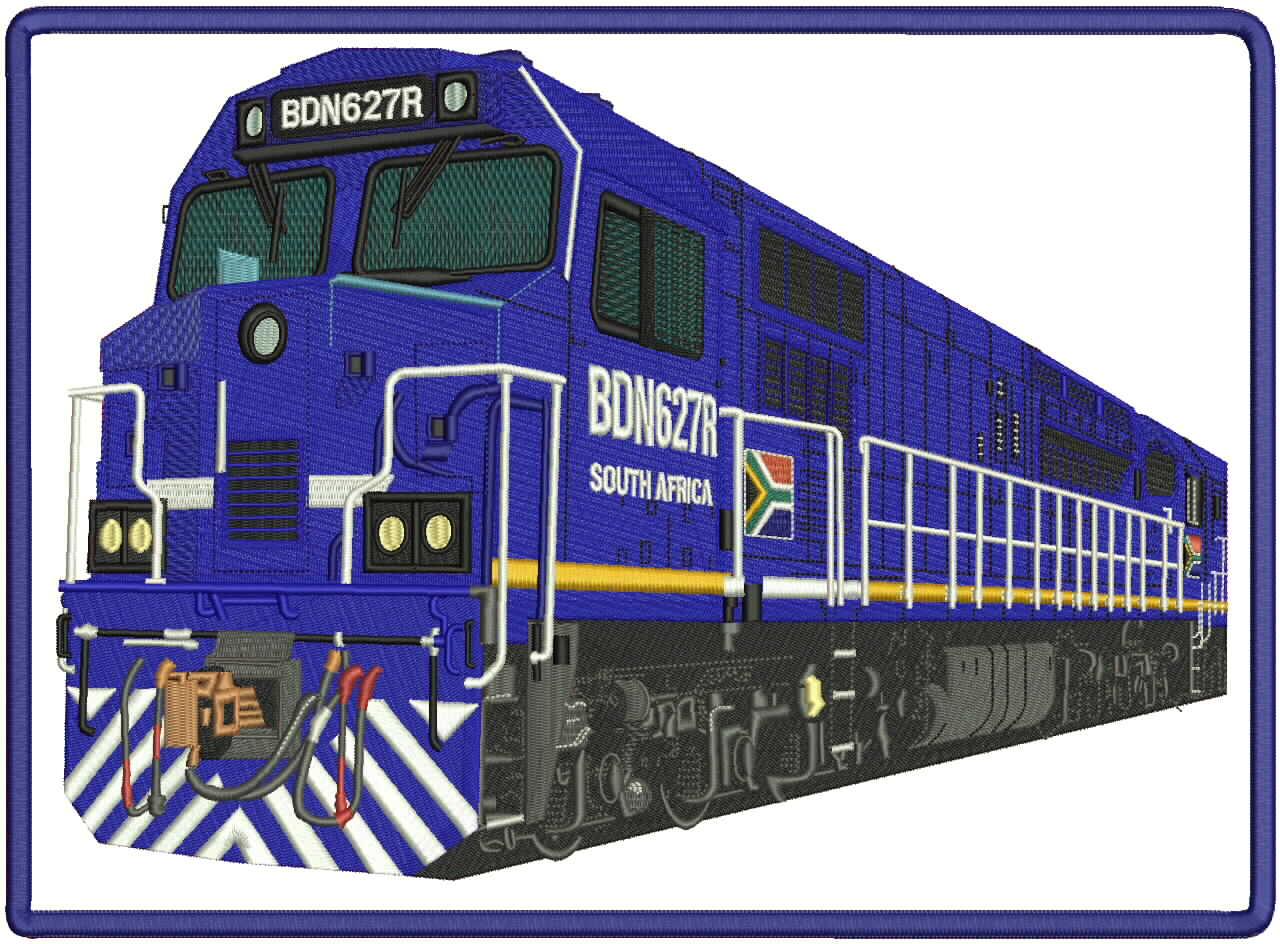
Custom embroidery has become one of the most popular ways for Canadian businesses to brand uniforms, merchandise, and promotional apparel. But before any logo can be stitched onto a garment, it has to go through a technical process called embroidery digitizing.
If you’re a business owner in Toronto, Vancouver, Montreal, or Calgary looking to order custom-embroidered apparel, understanding digitizing will help you make smarter decisions and avoid costly mistakes. This guide breaks down what embroidery digitizing is, how it works, and why choosing the right embroidery digitizing services in Canada matters for your brand.
What Is Embroidery Digitizing?
Embroidery digitizing is the process of converting artwork such as a logo, image, or text into a digital stitch file that an embroidery machine can read and execute.
Unlike regular printing, embroidery machines don’t understand image formats like JPEG or PNG. They need a specialized file format (such as DST, PES, or EXP) that contains precise instructions: stitch direction, stitch type, density, sequence, and thread color changes.
A skilled digitizer manually maps out these instructions using specialized software, essentially “teaching” the machine how to recreate your design with thread.
Why Digitizing Isn’t Just “Automatic Conversion”
Many business owners assume software can automatically convert any image into a stitch file. In reality, digitizing requires human expertise.
A digitizer must consider:
- Fabric type (cotton, polyester, denim, fleece, leather)
- Design complexity and small details
- Stitch types (satin, fill, running stitch)
- Thread density to avoid puckering or thread breaks
- Garment placement (cap, polo, jacket, bag)
Poor digitizing often leads to distorted logos, thread bunching, fabric puckering, or machines jamming mid-production issues that cost businesses time and money.
How Embroidery Digitizing Works: Step-by-Step
- Artwork Submission
The process starts with a business submitting their logo or design, ideally in vector format (AI, EPS, PDF) or high-resolution image.
- Digitizing in Specialized Software
Using programs like Wilcom or Hatch, digitizers trace the design and assign stitch paths, stitch types, and thread colors.
- Creating a Test Stitch-Out
A physical sample is stitched on fabric similar to the final product to check for accuracy, spacing, and quality.
- Adjustments and Finalization
Based on the test stitch, adjustments are made to stitch density, size, or sequencing before final approval.
- Production-Ready File Delivery
Once approved, the final digitized file is used for bulk production on embroidery machines.
Why Canadian Businesses Need Professional Embroidery Digitizing Services
Whether you run a corporate office in Toronto, a hospitality brand in Vancouver, a fashion label in Montreal, or a sports team in Calgary, professional digitizing ensures your brand looks sharp and consistent across every garment.
Key Benefits
- Brand Consistency: Logos maintain accurate colors, proportions, and detail across uniforms, caps, and merchandise.
- Reduced Production Errors: Fewer thread breaks, machine jams, and reruns save time and material costs.
- Professional Finish: Clean, well-digitized designs look sharp on any fabric type.
- Scalability: High-quality digitized files can be reused for future bulk orders without redoing the work.
For growing businesses ordering uniforms, promotional items, or retail apparel, this consistency directly affects brand perception.
Embroidery Digitizing Services Across Major Canadian Cities
While the digitizing process itself is the same everywhere, local business needs can vary slightly.
Embroidery Digitizing Services in Toronto
Toronto’s diverse business landscape from corporate offices to retail brands often requires digitizing for polos, blazers, and branded workwear with clean, professional finishes.
Embroidery Digitizing Services in Vancouver
Vancouver businesses, especially in outdoor apparel, hospitality, and tech, often need digitizing optimized for performance fabrics like fleece and technical wear.
Embroidery Digitizing Services in Montreal
Montreal’s fashion-forward market frequently requires detailed digitizing for boutique apparel, textured fabrics, and bilingual branding elements.
Embroidery Digitizing Services in Calgary
Calgary’s strong presence in trades, energy, and sports industries often calls for durable digitizing suited to jackets, caps, and heavy-duty workwear.
Because digitizing files can be delivered digitally, Canadian businesses aren’t limited to local providers they can work with specialized embroidery digitizing services in Canada regardless of city.
Common Mistakes to Avoid When Ordering Digitized Designs
- Submitting low-resolution images instead of vector files
- Skipping the test stitch-out step
- Choosing the cheapest option without checking sample work
- Ignoring fabric type when requesting digitizing
- Reusing a digitized file across drastically different garment types without adjustment
Key Takeaways
- Embroidery digitizing converts artwork into a machine-readable stitch file.
- It requires manual expertise, not just automated software conversion.
- Quality digitizing prevents production errors and ensures brand consistency.
- Canadian businesses in Toronto, Vancouver, Montreal, and Calgary can access digitizing services remotely, since files are delivered digitally.
- Always request a test stitch-out before bulk production.
Frequently Asked Questions
- How long does embroidery digitizing take?
Most digitizing projects take 24–48 hours, depending on design complexity and revisions needed. - What file formats are used for embroidery digitizing?
Common formats include DST, PES, EXP, and JEF, depending on the embroidery machine brand. - Can any image be digitized for embroidery?
Most images can be digitized, but vector files or high-resolution artwork produce the most accurate results. - Is embroidery digitizing expensive?
Pricing varies based on design complexity, stitch count, and size, but it’s typically a one-time cost that can be reused for future orders. - Do I need different digitized files for different fabrics?
Sometimes. Fabrics like leather or fleece may require stitch density adjustments compared to cotton or polyester. - Can embroidery digitizing services in Canada work with businesses remotely?
Yes. Since digitized files are delivered electronically, businesses in any city can work with providers regardless of physical location. - What’s the difference between digitizing and vector art for printing?
Digitizing creates stitch instructions for embroidery machines, while vector art is used for printing methods like screen printing they are not interchangeable.